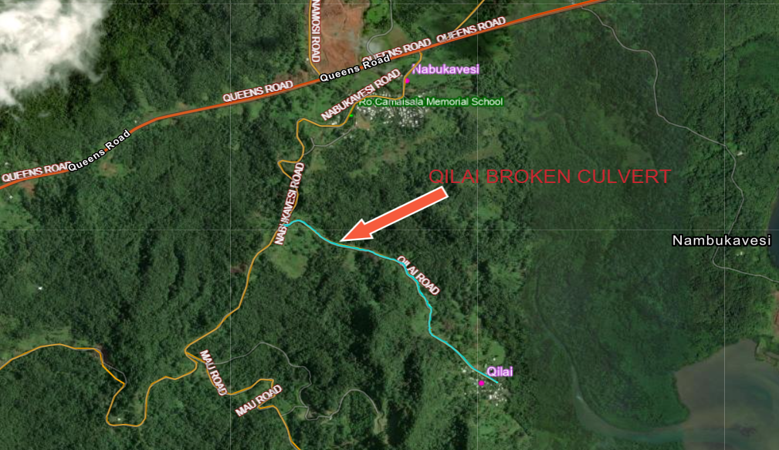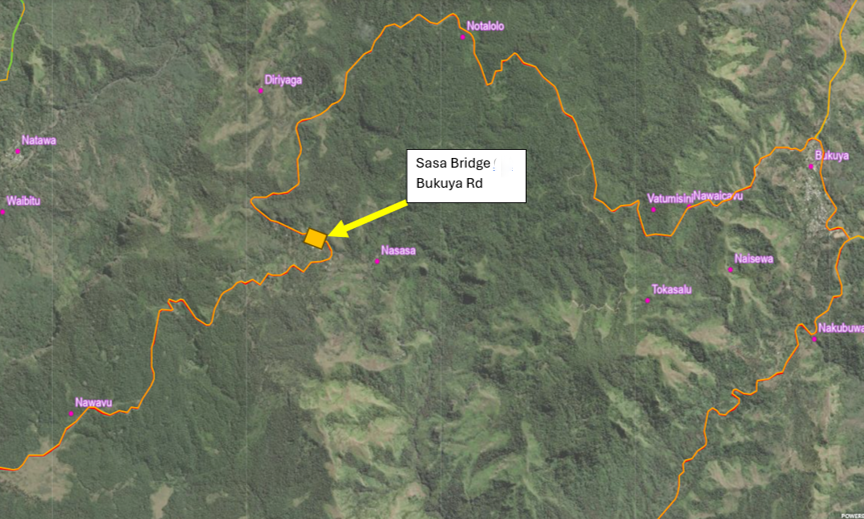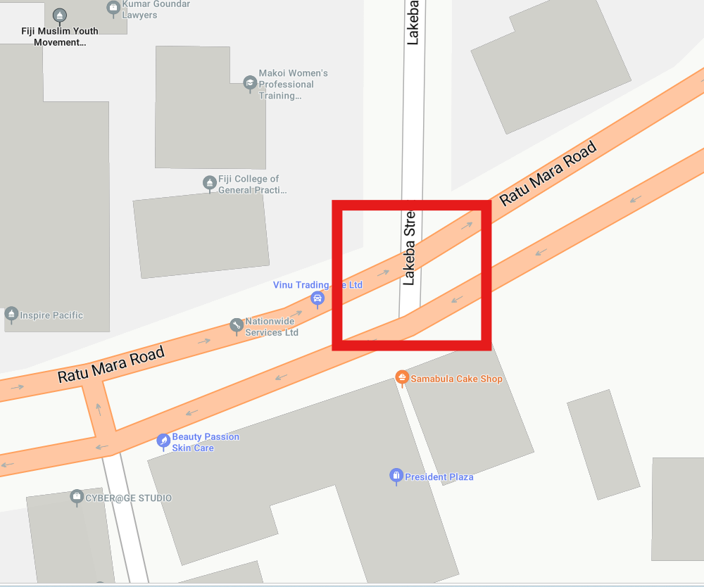

SEMO BYPASS ROAD MAINTENANCE WORKS
April 16, 2026
PUBLIC ADVISORY | PRINCES ROAD IMPROVEMENT WORKS
May 26, 2026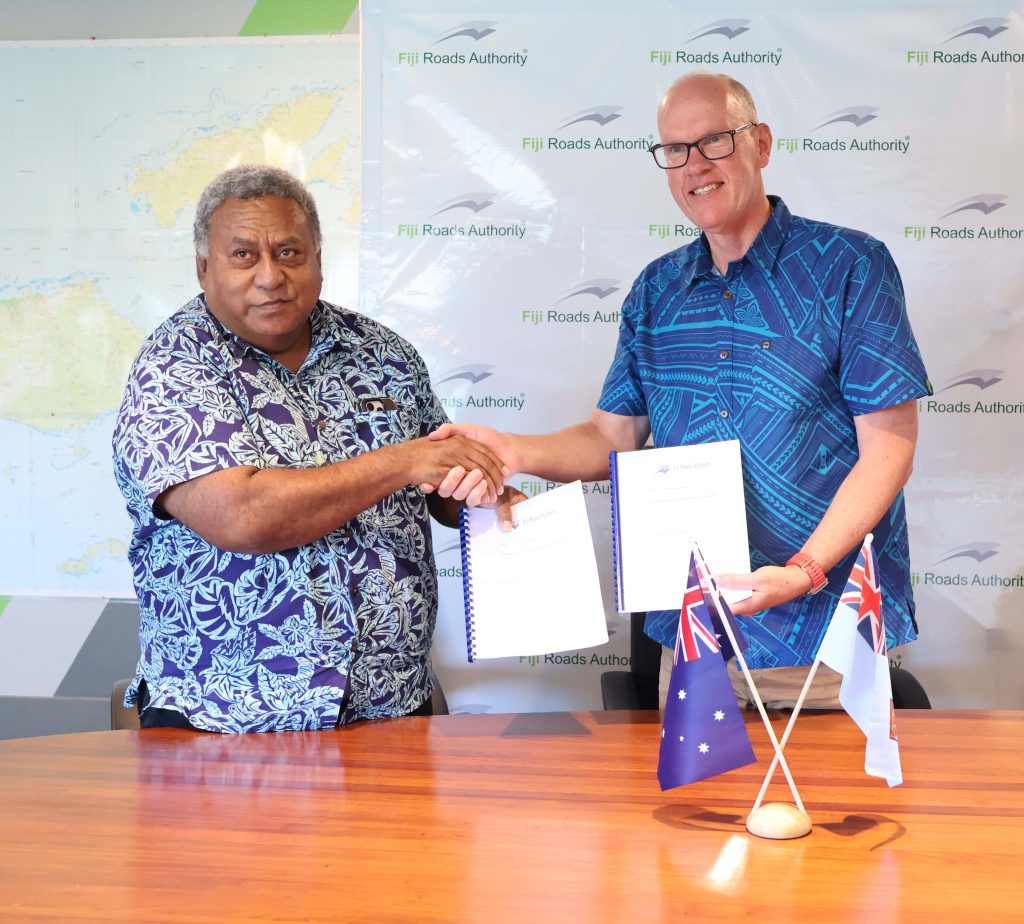
30th April, 2026
Australia’s National Transport Research Organisation (NTRO) has signed a landmark partnership with the Fiji Roads Authority (FRA) for an ‘Road Network Improvement Program’ aimed at significantly improving the quality, resilience, and long-term performance of Fiji’s road network.
This strategic collaboration represents a major step in enhancing the condition and durability of critical road network infrastructure across Fiji, supporting economic growth, community connectivity, disaster preparedness and climate resilience.
Under the partnership, the FRA and NTRO will work together around four key components:
- Network Condition Assessment & Baselining
- Asset Management Advisory & System Development
- Materials Science & Laboratory Advisory
- Capacity Building & Knowledge Transfer
FRA Chief Executive Officer Apisai Ketenilagi said the partnership marks a transformative opportunity for Fiji’s critical road infrastructure:
‘This collaboration with NTRO will provide us with world-class technical expertise and tools to better understand, manage, and improve our road network. It will enable us to deliver safer, more reliable roads for all Fijians, while strengthening our resilience to climate impacts. It is a program that will not only strengthen Fiji’s road network through evidence-based decision making but also see the transfer of skills and knowledge between our two nations.’
NTRO’s Executive Director and leader of the ‘NTRO-Pacific’ team, Jason Sprott highlighted the importance of the ‘co-designed’ program:
‘We are extremely proud to partner with the FRA team to deliver an exciting program of work.
This partnership reflects a shared commitment between Fiji and Australia to sustainable infrastructure, so critical for the livelihoods of the Fijian population. Aligned with the ‘Pacific Quality Infrastructure Principles’, and through detailed discussions with the FRA team, the program has been co-designed to ensure practical impact, lasting value and technical knowledge exchange between our teams.’